
Surf Essaouira · Blog
Essaouira Surf Guide
Why Essaouira belongs on your surf-trip list
Essaouira is Morocco’s Atlantic “Wind City”: a UNESCO medina, a wide sandy bay, and year-round swell within a few minutes of riads, seafood grills and Gnaoua music. For many travellers it is the sweet spot between culture and watersports — less crowded than Taghazout’s peak season, more beginner-friendly than exposed reef towns, and windy enough for kitesurf and wingfoil in the afternoon.
This guide covers everything you actually need before you book: how to get there, when to come, where to surf, how lessons and camps work, what else to do on land, what to pack, and how to plan a realistic week without wasting half your trip in transfers.
How to get to Essaouira
Most visitors fly into Marrakech (RAK) or Essaouira’s smaller Mogador airport (ESU) when schedules match. From Marrakech, expect roughly 2.5–3.5 hours by private transfer or bus depending on traffic and stops. Casablanca is possible but longer; many surfers still choose Marrakech for flight frequency, then transfer west to the coast.
Once in town, the medina is walkable and taxis are easy for beach drops. If you book lessons with a local school such as Surf Club Essaouira, beach or spot transfers are often included on lesson days — useful when the best sandbank sits farther along Plage Tagharte or when the coach prefers Sidi Kaouki.
Best time to visit for surf and travel
You can surf Essaouira year-round, but the feel of the trip changes with the season. September–March usually brings more consistent Atlantic swell — better for intermediates chasing green waves, while beginners still find softer inside sections with the right coaching. Spring and summer often mean smaller faces and warmer air; mornings are prime for surf before the trade wind builds.
Wind sports peak when the afternoon breeze fills the bay — classic Essaouira. If your priority is learning to surf, aim for morning lessons. If you want kite or wingfoil, build afternoons into the plan. Shoulder months (April–June, September–October) often balance rideable surf, pleasant medina walks and fewer extreme heat days.
Surf spots around Essaouira you should know
Plage Tagharte / Essaouira Bay is the default classroom: sandy bottom, multiple peaks, and space for soft-tops. It is where most first lessons happen and where many visitors stay for the whole holiday.
Sidi Kaouki (about 25–30 minutes south) opens into longer beach stretches with a different energy — an excellent day-trip option when swell and wind align. Coaches pick it when the main bay is too soft, too crowded, or when the forecast favours a cleaner bank farther south.
North and south of town, local knowledge matters. Exposed days, shorebreak and rip currents reward patience and a guide who watches the tide chart. Do not treat Instagram spots as a self-guided checklist if you are new to the Atlantic.
Surf lessons: what a good session includes
A solid beginner or improver lesson in Essaouira usually runs about two hours and includes a soft-top board, wetsuit, safety briefing, beach warm-up, pop-up practice, and guided waves with a certified instructor. Group sessions are social and affordable; private or semi-private coaching accelerates technique if you only have a few days.
At Surf Club Essaouira, lessons are built around the day’s tide and wind — not a fixed beach regardless of conditions. That habit (going to the best workable zone) is what separates a fun holiday from a frustrating one. Ask for dates, group size and level when you enquire so the school can match boards and session timing.
Surf camps and multi-day packages
If you want real progress, stack lessons across several days. Surf camps and surf+stay packages typically combine lodging, daily coaching, equipment and transfers. Three to six nights is enough for beginners to stand up consistently and for improvers to start reading peaks without constant help.
Look for transparent inclusions: how many water hours, meal plan, room type, and whether Sidi Kaouki days are optional extras. Cheap “camp” labels sometimes mean hostel beds with a single group lesson — fine if that is what you want, but not the same as a structured coaching week.
Kitesurf, wingfoil and the afternoon wind
Essaouira’s reputation for wind is earned. Many travellers surf in the morning and switch to kitesurf or wingfoil when the breeze lifts. That dual rhythm is one of the destination’s biggest advantages versus pure swell towns.
Wingfoil has grown quickly because the bay offers space to learn with coaching and modern foils. Kitesurf remains a classic here for riders who already have waterstarts or who want a full progression course. Book wind sports with the same care as surf: certified instructors, close coaching, and gear suited to your weight and the day’s knots.
Where to stay: medina, beach area or camp lodging
Medina riads put you inside the UNESCO walls — atmospheric evenings, rooftop breakfasts, short walks to the port. Beach-area stays cut morning transfer time if you want to be on the sand early. Surf-camp lodging is ideal when lessons, breakfast and logistics are bundled.
Wherever you sleep, confirm Wi-Fi expectations, hot water reliability in shoulder seasons, and how far you are from the lesson meeting point. Surf Club Essaouira can advise packages that pair coaching with practical accommodation so you are not negotiating taxis every dawn.
Medina, culture and non-surf days
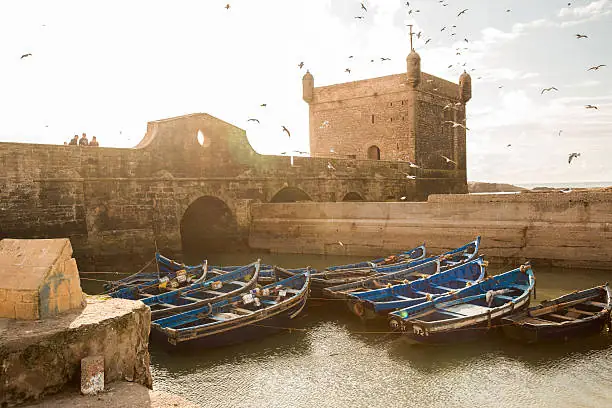
Save energy for the ramparts at sunset, the Skala de la Ville views, artisan workshops, and the fishing port. Essaouira’s scale is human: you can explore without a packed tour schedule. Music lovers time trips around Gnaoua Festival dates when possible; everyone else still finds live music in small venues year-round.
Non-surf companions can enjoy camel rides on the beach, yoga, photography, and long lunches of grilled sardines while you paddle out. That balance is why Essaouira works as a couple or friend-group destination — not only as a hardcore surf mission.
Food, water and everyday practicalities
Expect excellent seafood, tagines, fresh juice and mint tea. Drink bottled or filtered water if your stomach is sensitive. ATMs exist in town; carry some cash for small cafés and taxis. Dress respectfully in the medina; beachwear stays at the beach.
Mobile data is widely available; pick up a local SIM if you need maps offline for transfers. Friday prayer times can slow some services — plan flexible lunch windows.
What to pack for an Essaouira surf trip
Essentials: swimsuit, rash vest or UV shirt, high-SPF sunscreen, water bottle, flip-flops, light layers for windy evenings, and a dry bag for the beach. Soft-tops and wetsuits are usually provided by the school — confirm thickness seasonally (cooler water in winter).
Optional but useful: booties for rocky entries on some days, zinc stick, microfibre towel, and a simple first-aid kit. Leave a high-performance shortboard at home for your first trip unless you already surf confidently; local soft-tops will teach faster in the bay.
Budget snapshot (realistic ranges)
Group surf lessons often start around the €30 range for roughly two hours on the beach; private coaching and multi-day packages cost more. Lodging spans hostel bunks to boutique riads. Food can be inexpensive if you eat locally; airport transfers are a clear line item if you skip shared buses.
Ask for a written quote with dates, number of people and activities (surf only vs surf + kite/wing). Transparent pricing beats surprise extras on spot-transfer days.
Safety, tides and ocean etiquette
The Atlantic is powerful even on small days. Learn rip-current basics, follow instructor signals, and stay in the designated teaching zone. Never paddle out alone on your first visits. Respect priority rules once you move into shared peaks with local surfers.
Sun and wind dehydrate faster than you expect — hydrate between sessions. If you have medical conditions or weak swimming confidence, say so before you book; coaches can adapt depth and board choice.
Sample 7-day Essaouira surf & travel itinerary
Day 1: arrive, medina walk, light stretch, early night. Days 2–3: morning surf lessons, afternoon rest or cultural stroll. Day 4: Sidi Kaouki day if conditions favour it. Day 5: surf morning + kite/wing intro if windy. Day 6: free surf or private coaching focus + ramparts sunset. Day 7: buffer morning, transfer out.
Treat this as a template, not a contract. Coaches rewrite the water plan daily around tide and wind — that flexibility is the point of travelling with a local school.
Frequently asked questions
Is Essaouira good for beginners? Yes — sandy bay peaks and soft-tops make first waves accessible with coaching.
Can advanced surfers enjoy it? Yes, especially on stronger swell days and with trips to surrounding beaches; manage expectations versus heavy reef destinations.
Do I need to speak French or Arabic? English is widely used in tourist and surf contexts; French helps in daily life.
Is it family-friendly? Often yes — calm town energy and adaptable lesson formats; confirm minimum ages with the school.
How far in advance should I book? Peak holiday weeks and windy-season kite slots fill first — message early with dates.
Book your Essaouira surf trip with local hosts
A great Essaouira trip is equal parts waves, wind timing, and time to wander the medina without rushing. Surf Club Essaouira can help you build that mix: lessons, camps, kitesurf and wingfoil with gear included and transfers when needed.
Share your dates, level and whether you travel solo, as a couple or with friends — and start with this guide’s checklist so every day on the Atlantic counts.
Book a surf lesson
This guide supports the lessons. For coaching on the sandy bay, book a surf lesson in Essaouira — from €30, gear included.