
Surf Essaouira · Blog
Catching the Atlantic Swell: The Insider’s Guide to Surfing in Essaouira
· Updated
Why Essaouira beats the crowded Moroccan clichés
When people think of a surf trip to Morocco, their minds often drift automatically to the crowded points of Taghazout. But for surfers who crave an authentic blend of vibrant culture, wild coastlines, and uncrowded lineups, Essaouira is the ultimate Atlantic playground.
Affectionately known as the “Bride of the Atlantic,” this historic fortress town serves up an incredible variety of waves. From gentle, sandy-bottom peaks perfect for your very first take-off to powerful reef breaks that test intermediate and advanced riders, Essaouira is a world-class surf destination hiding in plain sight.
Here is your definitive, insider guide to navigating the waves, spots, and unique surf culture of Essaouira.
What makes surfing in Essaouira so unique?
Unlike isolated surf camps tucked away in remote villages, surfing in Essaouira is a complete lifestyle experience. Here, your morning check consists of walking past historic 18th-century ramparts and camel footprints on the beach.
From a purely technical perspective, the city is blessed with unique geography. A massive, crescent-shaped bay protected by the offshore Mogador Island naturally filters heavy North Atlantic winter swells. This creates an incredibly safe, reliable, and smooth learning zone right in front of the town, while the wild cliffs just north and south generate serious power for seasoned free-surfers.
Essaouira Bay (The Sanctuary)
The vibe: safe, smooth, and highly accessible. Best for beginners, longboarders, and anyone practicing their pop-up.
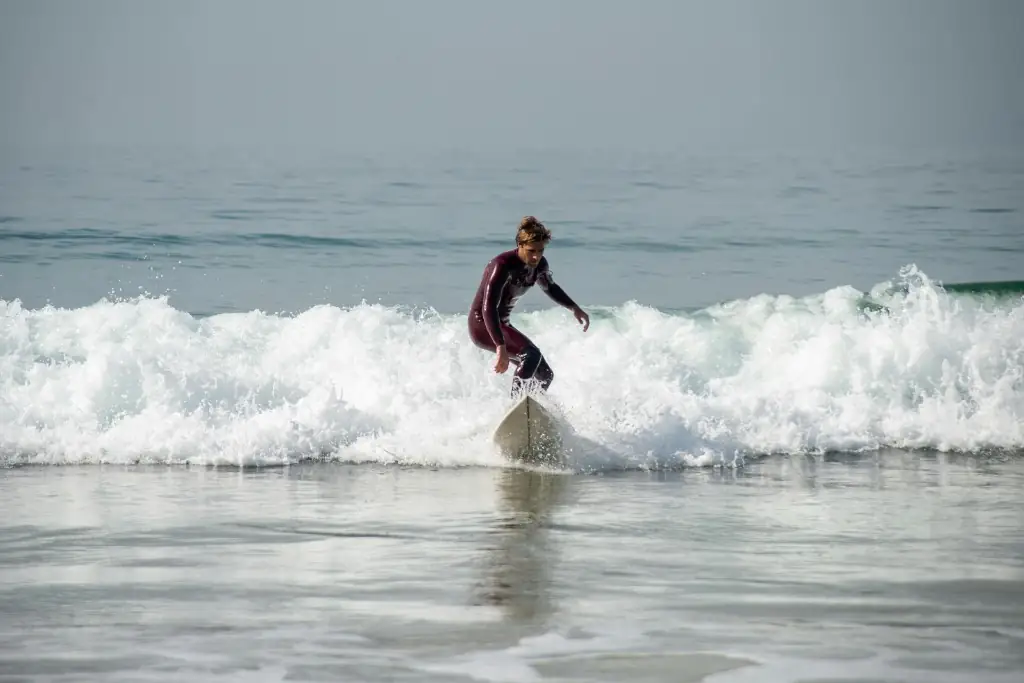
The wave: a soft, sandy-bottom beach break. The waves roll in progressively, giving you plenty of time to paddle, find your balance, and ride the whitewash or gentle green faces all the way to the shore.
Within about a 20-minute drive from the city center you can swap this sanctuary for completely different wave dynamics—but the bay remains the everyday classroom for most travellers.
The Second Reef (The Challenger)
The vibe: technical and heavy. Best for experienced intermediate and advanced shortboarders.
Located further out in the bay near the island, this reef break wakes up when a massive winter swell enters the channel. It produces fast, hollow, and powerful walls of water breaking over a deep rocky shelf.
Respect the lineup, check tides carefully, and only paddle out when conditions and your level clearly match—this is not a beginner playground.
Sidi Kaouki (The Wild Frontier)
The vibe: raw, bohemian, and exposed to the open ocean. Best for all levels—depending entirely on the swell size.
Just 25 kilometres south of Essaouira lies this expansive, wind-swept beach. Sidi Kaouki offers multiple A-frame sand peaks and occasional rock ledges. When the wind drops or blows offshore, it serves up some of the cleanest, punchiest green waves in the province.
Many local coaches treat Sidi Kaouki as a flexible day-trip option when the main bay is too soft or too crowded for your goals.
Deciphering the seasons: when to pack your boards
To score the best waves in Essaouira, understand the relationship between Atlantic swells and the local trade winds (the Alizés).
Autumn (Oct–Nov): excellent consistency, lighter / morning-offshore winds—ideal for intermediate to advanced riders (3/2mm or 4/3mm). Winter (Dec–Feb): peak swell with mild, clean-glass mornings—for advanced / hardcore surfers (4/3mm). Spring (Mar–May): good waves with variable wind picking up—suits all levels and progressive surfers (3/2mm). Summer (Jun–Sep): smaller, fun waves with strong northerly wind—perfect for absolute beginners (shorty or 3/2mm).
Pro local tip: if you want pristine, glassy green waves with minimal wind, target the gold window between October and March. If you want soft, manageable whitewater to learn the basics under the warm Moroccan sun, summer is incredibly fun and welcoming.
A perfect day in the life of an Essaouira surfer
08:30 — Morning dawn patrol: wake up in a traditional medina riad, check the local marine forecast, and head to the beachfront. Grab a strong espresso or Moroccan spiced tea.
09:30 — First session: paddle into the clean morning glass of the bay, or take a quick coastal run to Sidi Kaouki before the afternoon thermal wind kicks in.
13:00 — Beachside refuel: walk from the water to a beachfront café. Tagine or charcoal-grilled sea bass with mint tea hits different after a session.
15:30 — Afternoon cruise or explore: if the wind stays calm, log a relaxed longboard session; if it picks up, swap for kite / wing time or dive into the medina souks for woodwork and argan oil.
18:30 — Sunset on the ramparts: watch the sun melt into the Atlantic from the historic walls, with Gnawa rhythms echoing through the alleys.
Essential travel tips for your surf trip
Don’t struggle with baggage: unless you need a very specific high-performance shortboard, skip the airline board fees. Local surf centres stock everything from high-volume foam boards for safety to premium fiberglass funboards and longboards.
Respect the lineup: Essaouira’s surf community is famously warm and relaxed. Keep the vibe friendly, respect right-of-way, and share waves.
Bring cold-water wax: Atlantic currents keep Morocco cool enough that quality cool/cold-water wax helps through autumn and winter.
Ready to answer the call of the Atlantic?
Whether you want that breakthrough first stand-up or an escape from commercialized, crowded surf hubs, Essaouira delivers a soul-stirring Atlantic adventure.
The ocean is calling, the wind is clearing the skies, and the perfect wave is waiting just around the corner.
Ready to fast-track your progression with certified local coaches who know every hidden peak along the coast? Book your surf lessons or surf camp with Surf Club Essaouira and turn this guide into real wave time.
Book a surf lesson
This guide supports the lessons. For coaching on the sandy bay, book a surf lesson in Essaouira — from €30, gear included.